What to see
Five things hold the interest of the visit: two churches with centuries of history on show, a museum of rural life, an archaeological site beside the Esla and the landscape that explains it all.
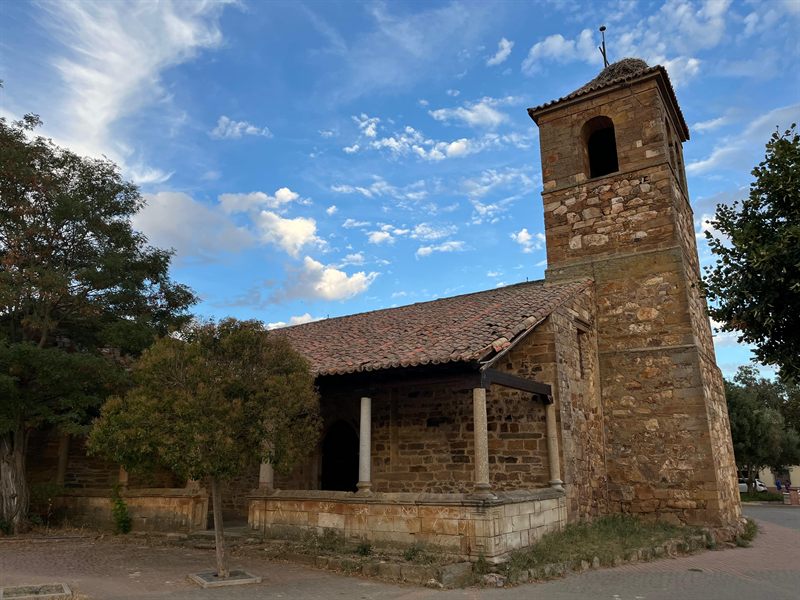
Exterior visible all year
Church of San Miguel Arcángel
A 12th-13th century church in Moreruela, with carved pillars, a blocked rose window and reused stonework.
See the page →
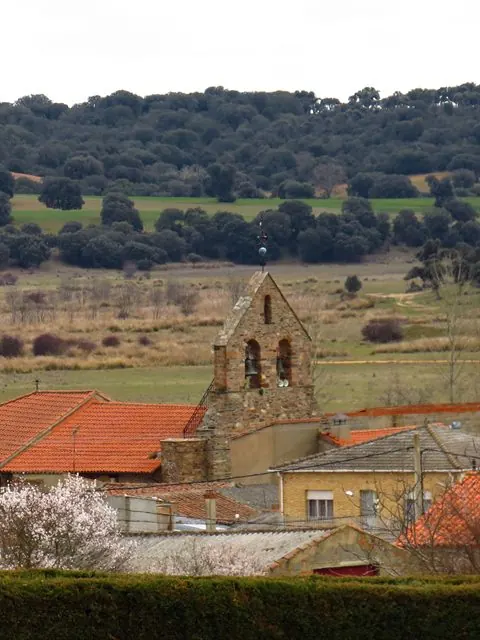
Exterior visible all year
Church of Santo Tomás
In Santa Eulalia: two 7th-century stones with interlace, a carved alquerque board and a gadrooned font.
See the page →
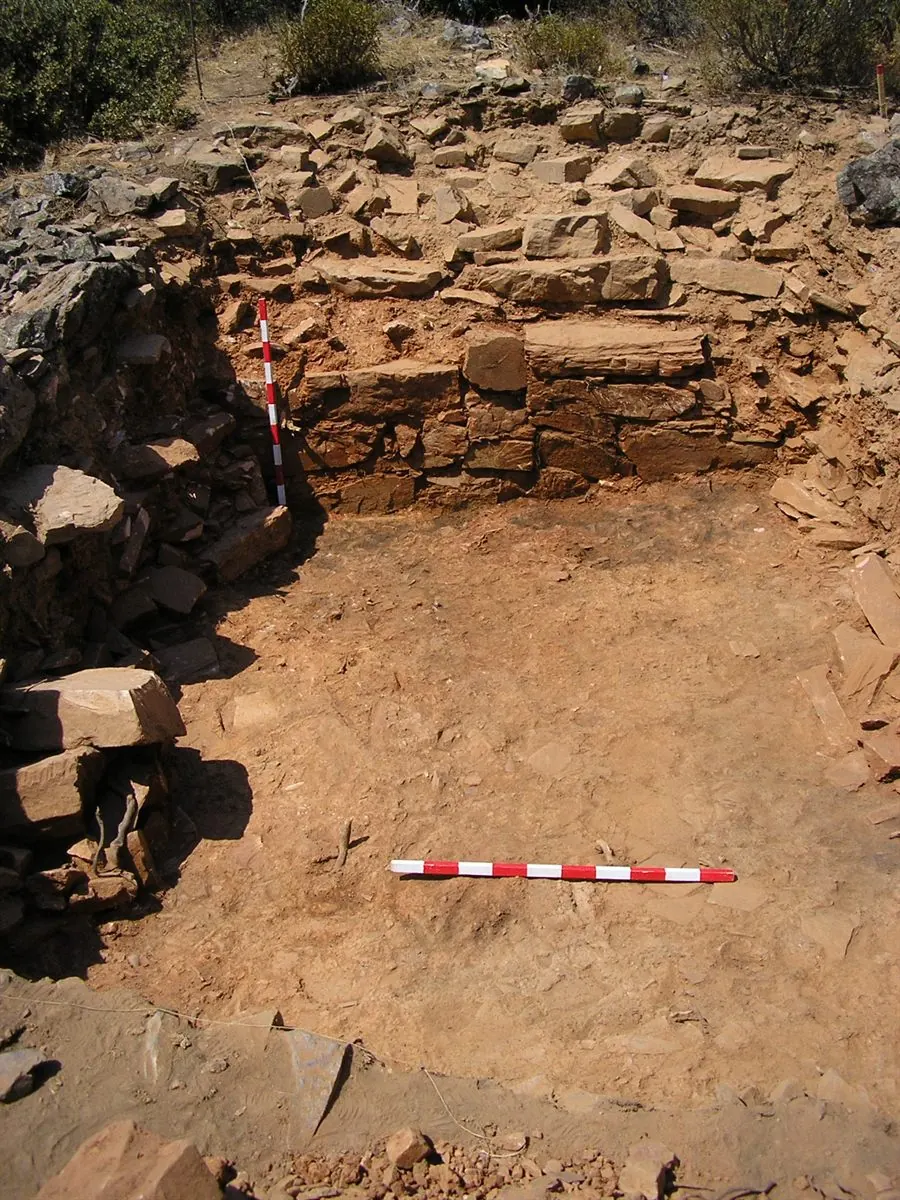
A 1.5 km path from Puente Quintos, on foot only
El Castillón
A fortified settlement of the 5th-6th centuries beside the Esla, occupied from prehistory to the 9th-10th centuries.
See the page →
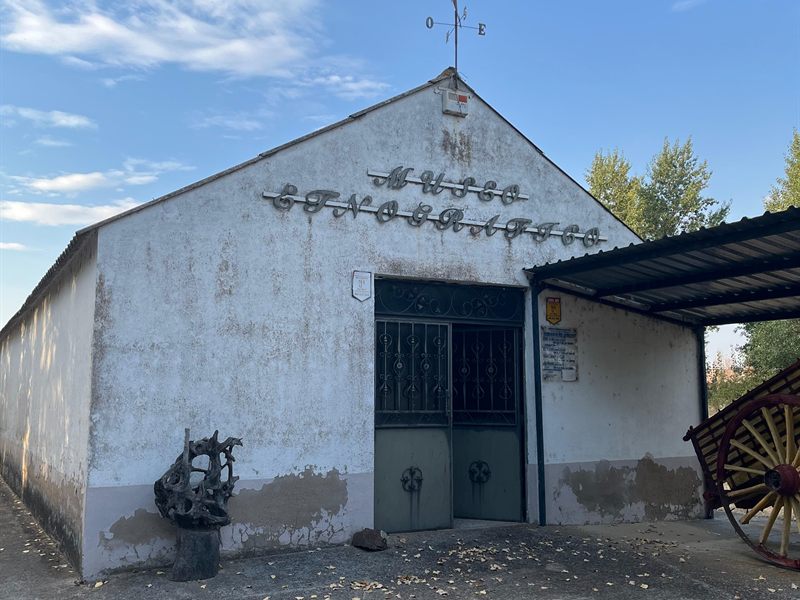
Opens on request
Ethnographic Museum
Municipal museum in Santa Eulalia, opened in 2001, devoted to the tools and the life of the rural world.
See the page →
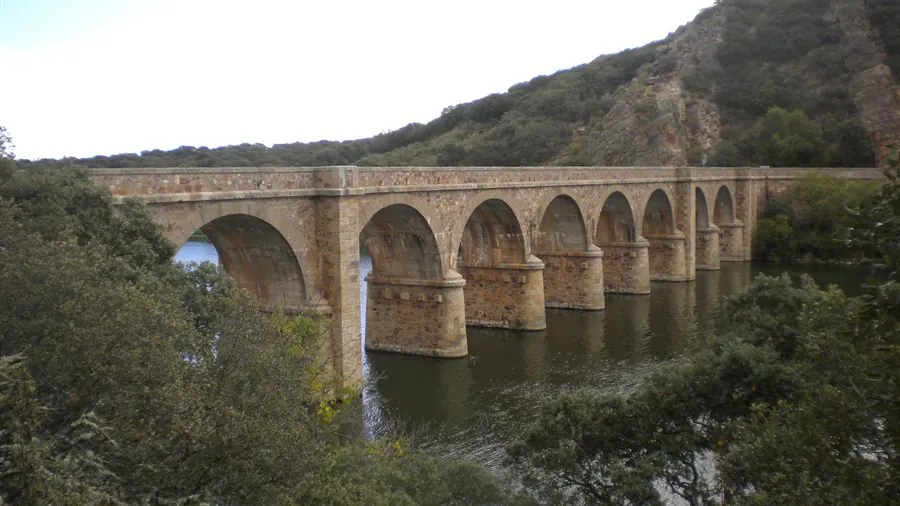
From public viewpoints
The Esla landscape
The municipal district reaches the Ricobayo reservoir: the river explains the settlement, from El Castillón to Puente Quintos.
See landscape plans →
Is the monastery of Moreruela here?
No. The monastery of Santa María de Moreruela is in Granja de Moreruela, a different town about 23 minutes away by car: it is a separate excursion. What you visit here are the church of San Miguel Arcángel, the church of Santo Tomás, the Ethnographic Museum and the El Castillón site.
The interiors depend on services or on arranging the opening: check before travelling.
Plan your visit